
Have you ever thought about how fascinating we are as people? We know we shouldn't speed, yet we do it anyway (until we get caught). People at the beach know they need sunscreen, but skip it. And businesses? Everyone knows word-of-mouth marketing has huge implications, good and bad, for the life of a company. Yet many still treat great customer service as a nice-to-have rather than the essential marketing tool it is.
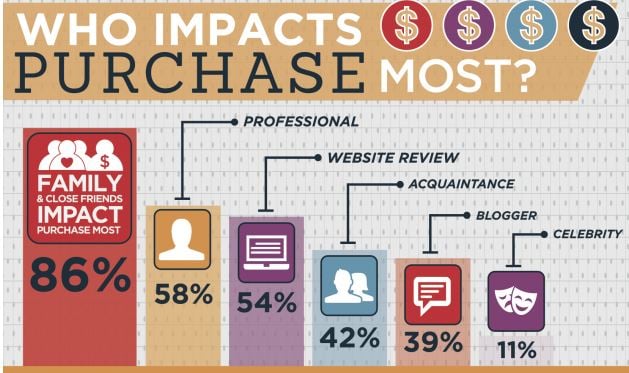
A few statistics on just how valuable word of mouth is:
- Around 88% of consumers say they trust recommendations from people they know above any other form of advertising. (Nielsen Trust in Advertising)
- A large majority of consumers cite word of mouth as a key influence on their purchasing decisions.
- People are far more likely to buy a product when a friend recommends it.
Online Reviews Matter
From Google and Yelp to industry sites like TripAdvisor, people are paying close attention to what others say about your products and services. Online reviews are essentially word of mouth at scale, and they carry enormous weight:
- 92% of consumers read reviews of a local business before their first visit, and most trust them nearly as much as a personal recommendation. [BrightLocal]
- Google is the most-read review platform by far, with 83% of consumers primarily reading reviews there. [BrightLocal]
- 88% of consumers would use a business that responds to all of its reviews, versus just 47% for a business that doesn't respond at all. [BrightLocal]
The takeaway: earn reviews honestly, make it easy for happy customers to leave them, and respond to every one. (See our guide to getting great reviews honestly.)
User-Generated Content Is Word of Mouth at Scale
The most powerful word of mouth today often isn't spoken. It's posted. User-generated content (UGC) is the photos, videos, and reviews your customers create showing your product in real life. It's some of the most trusted marketing there is, precisely because it's authentic and comes from real people rather than your brand.
- Consumers consistently trust UGC and peer content more than traditional brand advertising, and younger buyers especially trust it far more than brand-created content.
- UGC also tends to earn meaningfully higher engagement than branded posts.
Encourage it with a branded hashtag, photo contests, or simply by asking customers to tag you. Then, with their permission, reshare the best of it to your own channels and website. It turns happy customers into advocates and gives prospects proof that real people love what you do.
Your Response Matters
It's tempting to ignore a complaint, but actively seeking out and responding to concerns is one of the best ways to build loyalty. The pattern is clear: answering a complaint well can turn a critic into an advocate, while ignoring one does real damage. As the review data above shows, customers strongly favor businesses that respond, and they increasingly expect that response to be fast, often within an hour on social media. A thoughtful reply doesn't just satisfy that one customer; everyone else reading sees a business that cares.
Now What?
Admit there's a problem
Start by auditing how you currently handle complaints and concerns across every channel: email, phone, social media, reviews, letters. Until you can see where you excel and where you fall short, it's hard to make the right changes.
Appoint a key person
Customer satisfaction is everyone's job, but it also needs to be one specific person's job, or it slips through the cracks. Knowing who's accountable for handling concerns creates the continuity and consistent voice that customers notice.
Listen intentionally
Many people who complain about a business online never tag or @-mention it directly, so you won't catch those mentions by accident. Use social listening tools (or check manually) to find what's being said about your business across social media and review sites.
Practice, practice, practice
Role-play your responses to common concerns internally. Most customer complaints fall into a handful of situations that come up again and again, so being ready makes your responses faster, calmer, and more consistent.
In Conclusion
Your customers can be your greatest marketing asset, but poor service creates a poor experience that's easily amplified online. The good news: every time you resolve a complaint or concern to a customer's satisfaction, you have a chance to turn them into an advocate. People love telling stories, so make sure yours is a positive one about how you listened, exceeded expectations, and made things right.
Want help turning your customers into your best marketers? Get in touch with our team, and see our companion guide on getting your customers to market for you.
This is part of our guide to marketing your small business online.


0 Comments