
For years, regulators have cracked down on companies that post fake online reviews and the services that sell them, a practice known as "astroturfing." But the biggest development came in 2024: the Federal Trade Commission made faking reviews flatly illegal.
Astroturfing has long been widespread. A New York Times investigation years ago described a sprawling fake-review economy:
"The investigation revealed a web of deceit in which reviewers in Bangladesh, the Philippines and Eastern Europe produced, for as little as a dollar a rave, buckets of praise for places they had never seen in countries where they had never been. In some cases, the reputation shops bribed their clients' customers to write more fake reviews, giving them $50 gift certificates for their trouble."
That kind of deception isn't shocking on its own. What's changed is that the authorities are now doing something serious about it.
Faking Reviews Is Now Illegal
Astroturfing was always unethical. As of October 21, 2024, it's also against federal law. The FTC's rule on consumer reviews and testimonials bans a wide range of fake-review practices, including:
- Writing, buying, or selling fake reviews, including ones generated by AI or written by people who never actually used the product.
- Paying for reviews with a particular sentiment, positive or negative, so you can't buy praise for yourself or trash a competitor.
- Reviews from company insiders (employees, family) without clearly disclosing the relationship.
- Running a company-controlled site that poses as a source of independent reviews.
- Suppressing honest negative reviews through threats or intimidation, or misrepresenting that the reviews you display are all of them.
- Buying or selling fake followers or engagement.
Violations can cost up to roughly $53,088 each. In other words, the shortcuts aren't just risky for your reputation anymore; they can bring real financial penalties. The only safe, sustainable path is earning reviews honestly, and the good news is that's also the most effective path.
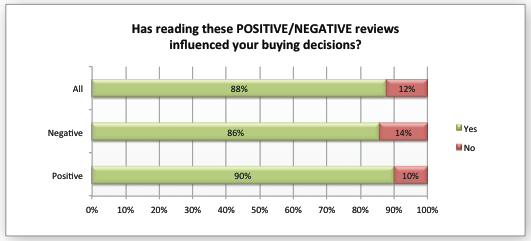
And reviews matter as much as ever. The vast majority of consumers read online reviews before they buy and trust them nearly as much as a personal recommendation, with Google the most-read review platform by far, according to BrightLocal. So reviews can do your business a great deal of good, or harm.
How to Get Great Online Reviews Honestly
1. Give People Something to Praise: Do an Amazing Job
First and foremost, treat people right. Deliver real value and a superior customer experience. If positive reviews aren't justified, you simply won't get them honestly, and dishonestly is now illegal. But when you genuinely go out of your way for customers, they're far more likely to share their experience online.
2. Ask for Reviews
You don't want to be pushy, but there's nothing wrong with asking happy customers to review you and making it easy for them. A short follow-up email thanking them and linking to your review profiles works well. Here's a simple example:
Hello,
Thank you for your recent visit. We want to provide the best service possible, and online reviews help other customers learn about who we are and what we offer. Would you take a minute to share your experience on one of these sites? We'd really appreciate it.
Thank you in advance, and thank you for your business!
A few rules keep you compliant and on the platforms' good side: ask, but never offer payment, discounts, or gifts in exchange for a review, and never ask only for positive ones; both run afoul of the FTC rule and platform policies. Focus most on your Google Business Profile, since Google is the most-read platform and actively welcomes you asking customers for reviews. Yelp, by contrast, asks businesses not to solicit reviews, so follow each platform's rules. You can also add a review link to your email signature, where many customers will happily click through.
3. Engage Your Customers Online
Interacting with customers on Google, Facebook, Instagram, and other platforms makes them more likely to leave reviews, especially younger customers who are used to sharing their experiences online. The more connected they feel to your business, the more inclined they are to speak up for it.
4. Respond to Negative Reviews Quickly
A negative review can often be turned around by reaching out promptly and positively. Apologize, thank the reviewer for flagging the problem, and do what it takes to make it right. Most people are reasonable, and if you show you care and resolve the issue, many will update or soften their review on their own.
Just mind the line the FTC drew: you can absolutely fix the problem and invite a customer to revisit their review, but you cannot pressure, threaten, or otherwise try to suppress honest negative feedback.
5. Go for the Numbers
An unfair negative review is frustrating, but some people simply can't be pleased, and readers are usually pretty good at spotting those reviews. Your goal is a strong majority of positive reviews. If you have 100 reviews and 8 aren't great, that's still a commendable 92% positive, and a steady stream of recent, genuine reviews keeps that ratio healthy.
Online Reviews Are Here to Stay
However aware people become that some reviews aren't legitimate, the truth is we're easily influenced, and reviews will keep driving (or deterring) prospective customers. Every business needs to monitor and manage its reviews, and now there's no question it has to be done honestly: the dishonest methods don't just backfire on your reputation; they can trigger federal penalties. The winning strategy is simple: provide great value, treat customers right, make it easy to leave honest reviews, and respond to the feedback you get. Do that, and the results will take care of themselves.
Want help building and protecting a strong, honest review profile? Contact i7 Marketing today.
Online reviews are one piece of marketing your small business online. See our full guide.


0 Comments